
How Massage Supports Immune Function During Heavy Training
There is a paradox at the heart of hard athletic training. The very effort you make to become stronger, faster, and more resilient also temporarily suppresses the immune system, leaving you more vulnerable to illness at exactly the moments when you can least afford to get sick. Heavy training weeks, back-to-back race weekends, and the final push before a peak event are all periods when athletes report getting sick more frequently, recovering more slowly, and feeling run-down in ways that have nothing to do with their fitness.
At Prime Sports Institute in downtown Bellingham, WA, we work with athletes across disciplines who are navigating this exact tension. One of the most consistent and underappreciated tools for supporting immune health during heavy training is regular massage therapy. This post explains why, and how incorporating massage into your training plan can help keep you healthy and performing at your best when it matters most.
Why Heavy Training Suppresses Immune Function
The relationship between intense exercise and temporary immune suppression is well established in sports science research. The American College of Sports Medicine notes that while moderate physical activity supports immune health over time, sustained high-intensity training without adequate recovery creates physiological conditions that compromise the body's ability to defend against illness. For athletes at Prime Sports Institute managing heavy training loads, this makes intentional recovery work not just a performance strategy but a genuine health priority.
Understanding the problem makes the solution clearer. When you train at high intensity or volume, your body responds with a cascade of physiological stress responses. Cortisol and other stress hormones rise. Inflammatory markers increase as muscle tissue breaks down and begins rebuilding. The demands on your cardiovascular, musculoskeletal, and nervous systems are significant.
These responses are necessary for adaptation. You cannot get fitter without stress. But the window immediately following intense training, and especially during periods of sustained high training load, is one where your immune system is temporarily compromised. White blood cell function is depressed. The body's ability to identify and respond to pathogens is reduced. And if recovery is inadequate, this immunosuppressive window extends further than it should.
The Open Window Theory
Sports medicine professionals often refer to the period following intense exercise as the open window, a temporary state of reduced immune competence that typically lasts between three and seventy-two hours after a hard effort, depending on intensity and the individual's recovery status. During this window, exposure to pathogens carries a higher risk of illness than it would at baseline.
Athletes who train heavily without adequate recovery spend more time in this open window and less time in a state of full immune readiness. Over time, chronic training stress without sufficient recovery degrades not just performance but overall health.
How Massage Supports Immune Function
Massage works through several mechanisms that are directly relevant to immune health during heavy training. It is not simply a tool for sore muscles. When applied consistently and skillfully, it contributes to the physiological conditions that allow the immune system to function optimally.
Reducing Cortisol and Activating the Parasympathetic Nervous System
One of the most significant ways massage supports immune function is through its effect on stress hormones. Elevated cortisol, a hallmark of sustained high training loads, is directly immunosuppressive. It reduces the production and activity of lymphocytes, a key class of immune cells, and inhibits the inflammatory response in ways that leave the body less able to defend against infection.
Massage consistently reduces cortisol levels and activates the parasympathetic nervous system, the rest-and-digest state that supports healing, recovery, and immune function. Research published on the National Institutes of Health database supports this connection, linking massage therapy to measurable reductions in cortisol and improvements in immune markers. Our massage therapists at Prime incorporate techniques including Swedish massage and myofascial release that are specifically effective at promoting this parasympathetic shift, helping your nervous system spend more time in the recovery state that immune health depends on.
Improving Lymphatic Circulation
The lymphatic system is the body's primary immune transport network. It carries lymphocytes, antibodies, and metabolic waste products through the body and plays a central role in mounting immune responses. Unlike the cardiovascular system, the lymphatic system has no pump. It relies on muscle contractions, breathing, and external pressure to move fluid through its vessels.
Manual massage, particularly techniques that work along the lymphatic pathways, supports lymphatic circulation directly. Improved lymphatic flow helps clear metabolic waste from tissues more efficiently, reduce chronic low-grade inflammation, and support the movement of immune cells to where they are needed. For athletes in heavy training, this translates to tissues that recover more fully and a system that is better prepared to defend against illness.
Reducing Systemic Inflammation
Chronic inflammation from sustained heavy training is a significant stressor on the immune system. When inflammatory markers remain persistently elevated, the immune system is essentially in a state of sustained activation that depletes resources and reduces its capacity to respond to new threats.
Regular massage helps modulate this inflammatory response. Deep tissue work and myofascial release, techniques our therapists at Prime apply routinely, reduce localized inflammation in overworked tissues and contribute to a reduction in overall systemic inflammatory load. An athlete who manages inflammation well through consistent massage is an athlete whose immune system has more capacity available for its actual job.
Supporting Sleep Quality
Sleep is the most powerful immune-supporting behavior available to any athlete, and it is one of the first things to suffer during periods of high training stress. An athlete who is not sleeping well is an athlete whose immune function is compromised regardless of any other intervention.
Massage has a well-documented positive effect on sleep quality. The parasympathetic activation that follows a good massage session, the reduction in cortisol, and the relief of chronic muscular tension all create conditions that make falling asleep and staying asleep through the night easier. For athletes managing heavy training loads, regular massage is one of the most practical tools available for protecting sleep quality and therefore immune health.
Related: How Massage Therapy Supports Athletes During Training Cycles
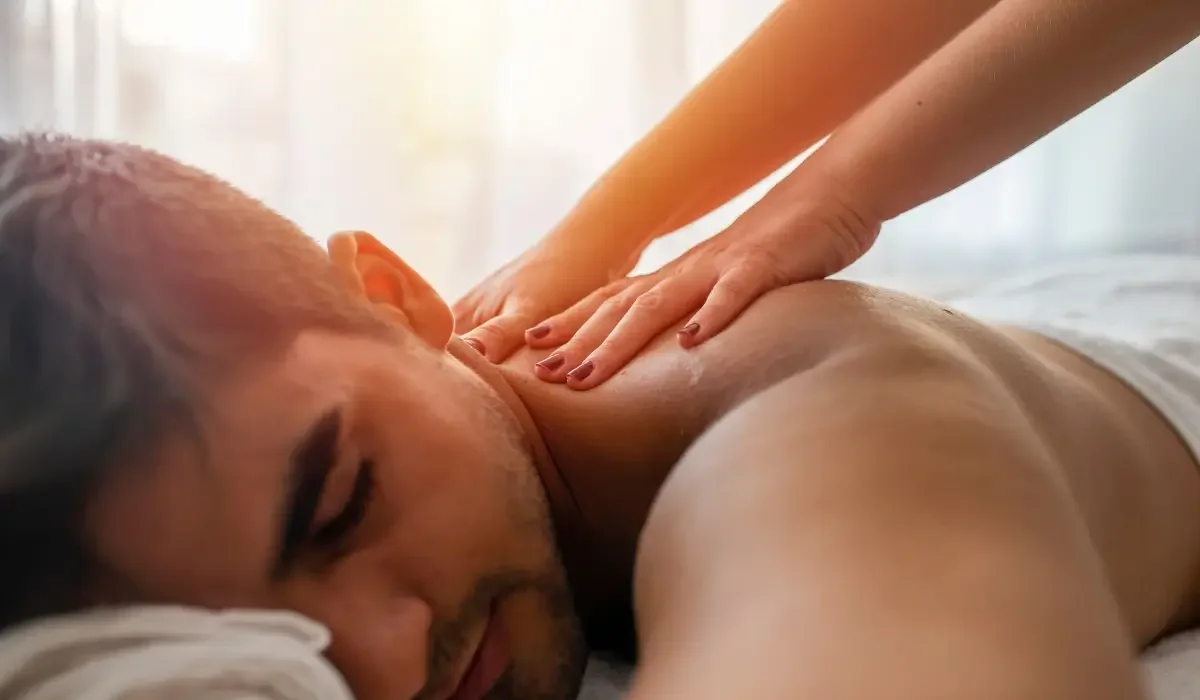
How Often Should Athletes Get Massage During Heavy Training
The frequency that produces the most meaningful immune and recovery benefits depends on your training volume, the intensity of your current cycle, and how well you are recovering between sessions. As a general guideline, athletes in peak training benefit most from massage every one to two weeks at minimum, with some athletes in the highest volume phases benefiting from weekly sessions.
At Prime Sports Institute, our sports massages are available in 30, 60, and 90-minute sessions. Our licensed massage therapists customize every session to address your specific training demands and recovery needs, incorporating techniques like myofascial release, deep tissue work, trigger point therapy, and Swedish massage depending on what your body needs that day. We accept HSA cards and can provide a SuperBill for out-of-network insurance reimbursement.
Related: Why Treatment-Focused Massage Feels Different Than Spa Massage

Building a Complete Recovery Plan at Prime Sports Institute
Massage is one piece of a comprehensive recovery strategy, and at Prime Sports Institute, we have the full range of services to support every dimension of athletic health. Our guided recovery sessions in the Prime Training Room give athletes access to NormaTec compression, contrast tubs, GameReady, cold laser, and FAR infrared sauna use with expert guidance on how to use each tool effectively for their specific situation.
Our athletic training team evaluates injuries, identifies imbalances, and provides hands-on manual therapy to address the structural issues that heavy training creates over time. Our nutrition support, strength and conditioning, and coaching services ensure that the training itself is structured in ways that promote adaptation without driving chronic immune suppression.
The athletes who stay healthy through heavy training are not the ones who simply train harder. They are the ones who recover smarter. Regular massage is one of the most practical and effective ways to do exactly that.
Book your sports massage session at Prime Sports Institute today. We are located at 1704 N. State St. in downtown Bellingham, WA, and our clinic is open Monday through Friday with Saturday appointments available.
