
Signs Chronic Pain Needs More Than Rest Alone
At Prime Sports Institute, we often meet people who have tried the most common first step for discomfort. They rested. They reduced activity. They waited for the pain to fade. Sometimes that works for minor soreness. But when pain lingers for weeks or keeps coming back, rest alone is no longer the solution. Chronic pain is usually a signal that the body needs guided treatment, not avoidance.
Below are clear signs that your body needs more than time off and how targeted care can help you return to normal movement and daily comfort.
Pain That Lasts Beyond Normal Healing Time
Soreness vs Persistent Pain
Muscles naturally feel sore after exercise, long workdays, or new physical activity. This typically improves within a few days. When discomfort lasts longer than two weeks, the body is no longer recovering on its own.
Ongoing pain often means:
Compensations in movement patterns
Tissue restriction
Joint imbalance
Nerve irritation
Incomplete healing
Rest does not correct these problems. It only pauses the irritation while the root cause remains.
What We Do Instead
At Prime Sports Institute, we assess how your body moves rather than just where it hurts. Our sports massage and clinical bodywork target restricted tissue and restore normal motion so the body can heal properly.
Related: How Targeted Bodywork Improves Posture and Daily Comfort

Pain That Returns When Activity Resumes
The Cycle Many People Experience
Many patients follow this pattern:
Pain starts
They rest
Pain improves
Activity resumes
Pain comes back quickly
This cycle means the issue was never resolved. The body is compensating and reloading the same stressed structures.
Why Rest Fails Here
Rest removes stress temporarily but does not:
Improve mobility
Correct posture
Normalize muscle activation
Restore joint mechanics
Our therapists use targeted treatment combined with corrective movement strategies to break this cycle rather than repeating it.
Stiffness That Limits Daily Movement
Morning Tightness and Restricted Range
If you wake up stiff every day or struggle with simple actions like turning your head, bending down, or reaching overhead, your body has lost normal mobility. Chronic tightness is not just muscle fatigue. It is often protective tension caused by imbalance.
Common complaints we treat include:
Neck stiffness from desk work
Hip tightness from sitting
Shoulder restriction from overuse
Lower back tension during basic tasks
How Targeted Bodywork Helps
Our approach focuses on releasing specific structures while guiding the nervous system to accept new movement. This improves comfort in daily activities rather than only during treatment sessions.
Related: How Massage Supports Recovery for Active Lifestyles Year-Round
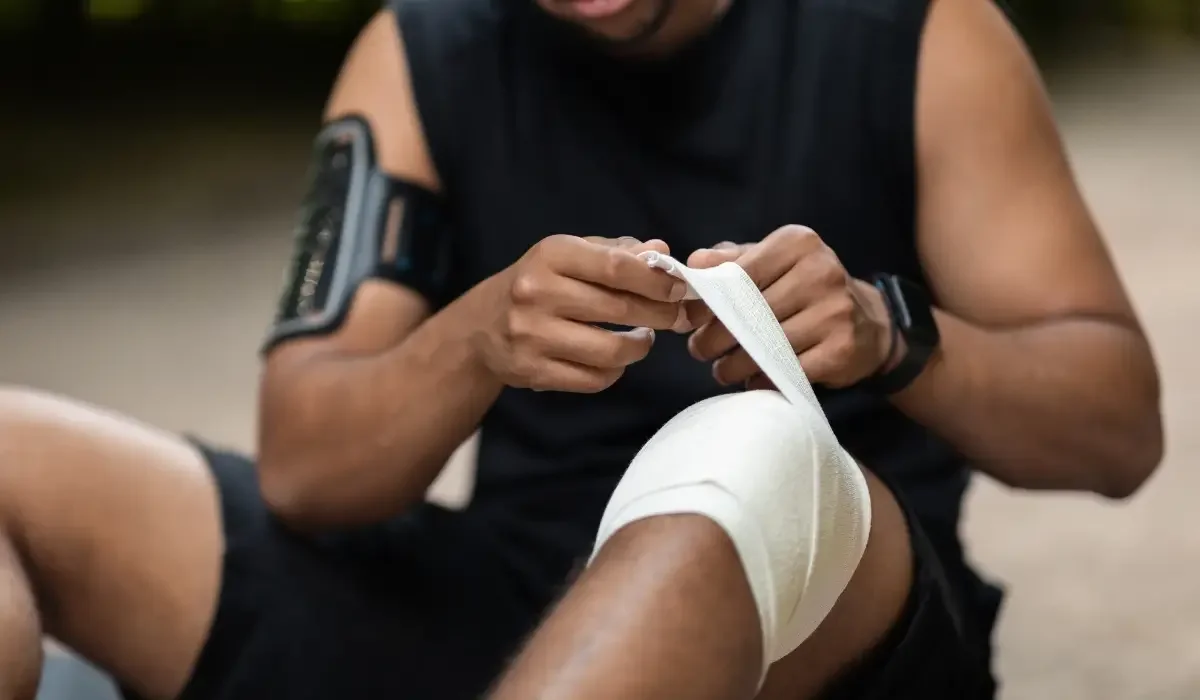
Pain That Spreads to Other Areas
Compensation Patterns
When one area stops functioning properly, another area works harder. For example:
Hip restriction leads to back pain
Shoulder limitation leads to neck tension
Foot instability leads to knee discomfort
If new aches appear after the original injury, the body is adapting poorly.
Our Clinical Approach
We evaluate the entire kinetic chain. Treatment may focus away from the painful location because the source often exists elsewhere. Addressing the cause prevents further spread.
Numbness, Tingling, or Burning Sensations
Signs of Nerve Involvement
These symptoms indicate more than muscle soreness. They often come from compression or irritation of nerves due to tight tissue or joint restriction.
Rest rarely resolves nerve related issues because pressure remains present.
Targeted Treatment Strategy
We use precise manual therapy techniques to reduce mechanical pressure on affected structures and restore normal motion around nerves. Patients often notice improved comfort and reduced sensitivity after treatment begins.
You Avoid Activities You Once Enjoyed
Functional Impact Matters
Pain is chronic when it changes behavior. If you avoid exercise, hobbies, or even walking comfortably, your body is no longer adapting. It is protecting.
Avoidance leads to weakness, which increases pain risk. This creates a long term cycle of discomfort and reduced quality of life.
Restoring Confidence in Movement
Our goal is not only pain relief but reliable movement. We guide patients back into activity safely with progressive treatment and movement recommendations tailored to their lifestyle.
Related: How Massage Therapy Supports Injury Prevention and Recovery
When to Seek Professional Help
If your discomfort:
Lasts more than two weeks
Returns quickly after rest
Limits normal movement
Spreads to other areas
Includes tingling or numbness
Prevents activities you enjoy
Your body is asking for intervention, not inactivity.
At Prime Sports Institute, we combine sports massage, targeted bodywork, and movement based care to correct underlying problems rather than temporarily calming symptoms. Chronic pain improves when the body regains proper motion and balance.
Rest can help recovery begin. Guided treatment is what allows it to finish.
