
How Cupping Therapy Complements Sports Massage for Faster Recovery
Most athletes are familiar with the circular marks that show up on shoulders, backs, and legs after a cupping session. The marks are distinctive, and they tend to generate questions. What is cupping actually doing? How does it work alongside sports massage? Is it worth adding to a recovery routine?
At Prime Sports Institute in downtown Bellingham, cupping is one of several techniques our licensed massage therapists use as part of a comprehensive approach to athletic recovery and soft tissue care. Understanding how cupping works and why it complements sports massage helps athletes make more informed decisions about their treatment and get more out of every session.
What Cupping Therapy Is and How It Works
Cupping is a manual therapy technique that uses suction cups placed on the skin to create negative pressure in the tissue beneath. Unlike most massage techniques that apply compressive force downward into the muscle, cupping lifts the tissue upward. This decompressive effect is what distinguishes it from other soft tissue tools and produces its unique therapeutic benefits.
The suction draws the superficial layers of muscle and fascia away from the underlying structures, creating space in the tissue, increasing local blood flow, and engaging the nervous system in a way that compressive techniques alone do not.
What Happens in the Tissue During Cupping
When suction is applied, blood flow to the treated area increases significantly. The lifting of the fascial layer helps separate tissue that has become adhered or restricted, releasing the kind of chronic tightness that compressive massage cannot always reach as efficiently. The marks left behind, which range from pink to deep purple depending on the degree of stagnation in the tissue, are the result of blood being drawn into the capillaries near the surface and are not bruises in the traditional sense. They fade within a few days and are a normal part of the process.
The nervous system also responds to the decompressive input in ways that support relaxation of the surrounding musculature. For athletes carrying chronic tension from training load, that neurological response can produce a release that feels qualitatively different from what compression alone achieves.
Related: The Connection Between Breathing, Muscle Tension, and Massage
Why Cupping and Sports Massage Work Better Together
Cupping and sports massage are not competing techniques. They address tissue from different directions, and combining them in the same session allows a therapist to work the tissue more thoroughly than either approach alone.
Addressing Different Tissue Layers
Sports massage at Prime focuses on myofascial release in deeper layers of muscles to enhance performance and speed recovery. This compressive work is highly effective for breaking down trigger points, improving circulation in deep muscle tissue, and addressing the specific tightness patterns that athletes develop from repetitive training.
Cupping, by contrast, is particularly effective at the superficial fascial layer, the connective tissue just beneath the skin that, when restricted, limits the freedom of movement of the deeper structures underneath. When cupping releases these superficial restrictions first, the deeper compressive work of sports massage can penetrate more effectively and with less resistance. The tissue is already more pliable, supple, and ready to respond.
Accelerating Metabolic Clearance
One of the key mechanisms of recovery is the clearance of metabolic byproducts from fatigued muscle tissue. Lactate, inflammatory mediators, and other waste products accumulate in heavily worked muscle and slow the recovery process. Both cupping and sports massage increase local circulation, but the suction effect of cupping draws blood into the area with a directness and speed that compressive techniques may not replicate as efficiently in all tissue types.
For athletes in high-volume training blocks, combining cupping with sports massage in the same session creates a more robust circulatory stimulus that accelerates the clearance process and supports faster turnaround between training days.
Reducing Fascial Adhesions
Repeated training loads create micro-trauma in muscle tissue that, as it heals, can leave behind fascial adhesions, areas where connective tissue layers have stuck together and lost their normal glide. These adhesions restrict movement, reduce power output, and contribute to the chronic stiffness athletes often attribute to training hard.
Cupping's decompressive action is well suited to separating these adhered layers in a way that complements the myofascial release and pin and stretch techniques that therapists like Seth Lee integrate into sports massage sessions at Prime. The combination of lifting the fascial layers with cupping and then working through them with myofascial release and muscle energy techniques produces a more complete release than either technique achieves on its own.
Related: How Manual Therapy Supports Recovery Between Training Cycles
Who Benefits Most From Combined Cupping and Sports Massage
The combination of cupping and sports massage is appropriate for a broad range of athletes and active individuals, but certain presentations respond particularly well.
Athletes in Heavy Training
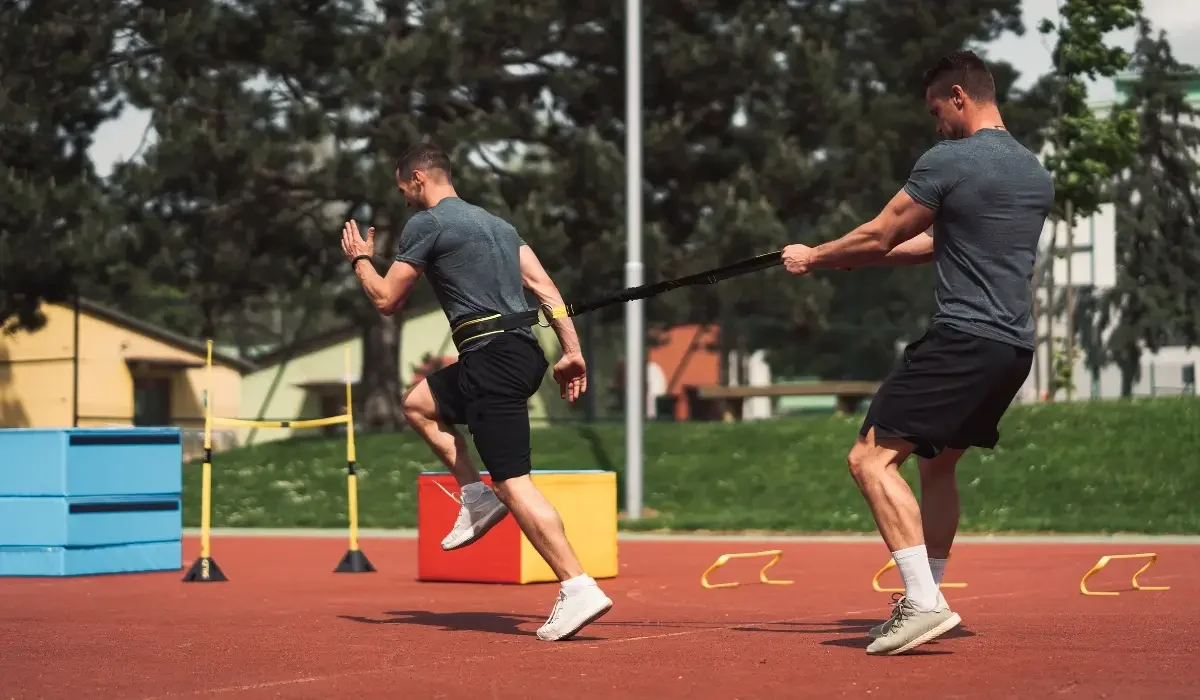
For athletes managing significant weekly training loads, the combination of cupping and sports massage provides a more comprehensive recovery stimulus than massage alone. The increased circulatory effect of cupping alongside the tissue work of sports massage addresses both the metabolic and structural demands that high training volumes place on the body.
People With Chronic Back, Shoulder, and Neck Tightness
Cupping is especially effective for the upper back, shoulders, and paraspinal muscles that carry chronic tension from training posture, desk work, or repetitive overhead movement. When combined with sports massage targeting these areas, the layered approach can reach tissue that has been resistant to other interventions.
Post-Injury Recovery
During injury recovery, cupping helps manage the inflammatory response and improve circulation to healing tissue. Sports massage, on the other hand, addresses the compensatory tightness that develops in surrounding muscle groups as the body guards an injured area.
Thom Mooney, one of our licensed massage therapists at Prime, is proficient in cupping alongside deep tissue work, myofascial release, neuromuscular techniques, and trigger point therapy, making him well equipped to tailor the combination to the specific needs of a recovering athlete.
Related: Swedish Massage vs. Deep Tissue: Which is Better for Athletic Recovery?

Cupping at Prime Sports Institute
At Prime, cupping is offered as part of our comprehensive sports massage service and is integrated into sessions based on what each client's body needs that day. Our licensed massage therapists take a holistic approach focused on overall comfort and nervous system support, and the inclusion of cupping is always a collaborative decision made with the client's goals in mind.
Sessions are available in 30, 60, and 90-minute formats. The 90-minute session allows for a more thorough orthopedic and musculoskeletal evaluation with more detailed massage techniques to address primary complaints and compensations. The 60-minute session allows therapists to address both primary and secondary complaints. The 30-minute format is ideal for acute treatment when you need focused work quickly.
We accept HSA cards and can provide a SuperBill for clients who wish to submit for out-of-network insurance reimbursement.
Prime Sports Institute is located at 1704 N. State St. in downtown Bellingham. Clinic hours are Monday through Friday, 9 a.m. to 5 p.m., with Saturday appointments available. Book your session online today.
